SPRACHE / LANGUAGE
Large FAQ page

100 questions and answers on aftercare after a hair transplant

This FAQ page brings together the most important questions on aftercare after a hair transplant. It is aimed at patients who want information on healing, the scalp, PRP, mesotherapy, polynucleotides, hair growth, aftercare after surgery in Turkey and aftercare in Cologne and Aachen.

The page is deliberately detailed so that search engines, AI search systems and visitors quickly understand which topics are particularly important for aftercare after a hair transplant.

Focus areas: FAQ hair transplant aftercare · PRP after a hair transplant · scalp mesotherapy · scalp polynucleotides · aftercare after surgery in Turkey
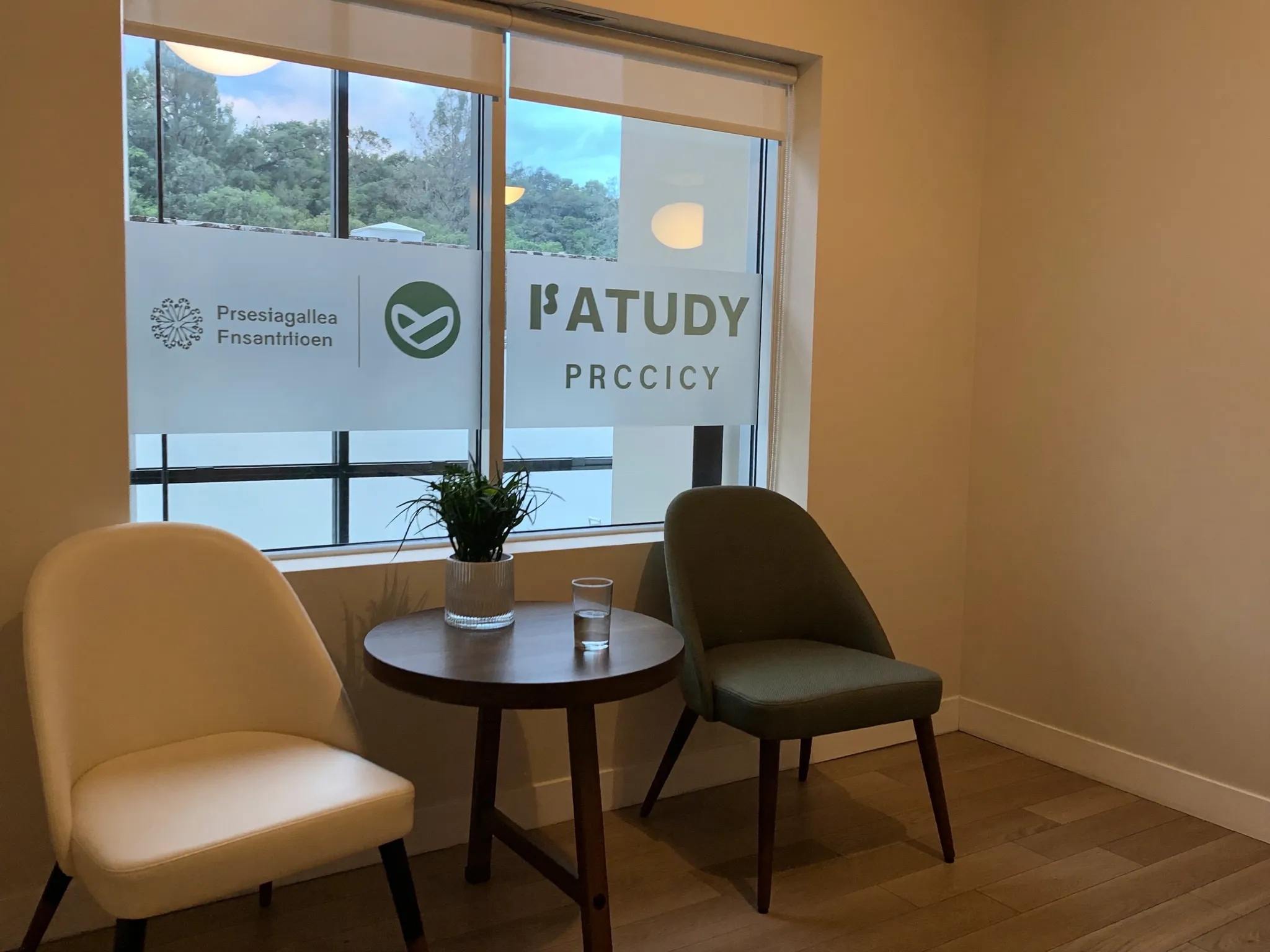
Bright, calm waiting area of a practice for aftercare after a hair transplant
Overview

Contents of this FAQ

  • general questions on aftercare
  • healing and the scalp
  • hair growth and progress
  • PRP, mesotherapy and polynucleotides
  • aftercare after a hair transplant in Turkey
  • locations in Cologne and Aachen

Questions 1–20: General aftercare

1. What is aftercare after a hair transplant?
Aftercare after a hair transplant covers the phase following the procedure, during which healing, the scalp, the transplanted grafts and any supportive treatments are monitored and supported.
2. Why is aftercare after a hair transplant important?
Aftercare is important because the healing of the scalp, the development of the transplanted hair and understanding how everything is progressing all take time. Many patients would like to have this phase supported professionally.
3. When does aftercare after a hair transplant begin?
Aftercare begins right after the procedure. Even in the first few days, care, taking things gently and monitoring the scalp play an important role.
4. How long does aftercare after a hair transplant last?
The visible healing of the scalp usually takes weeks. It normally takes considerably longer before the result can be fully assessed.
5. Does aftercare always have to be carried out by the surgeon who performed the procedure?
No. Those who had their procedure abroad often look for a practice in Germany for aftercare – especially when the hair transplant took place abroad.
6. After a hair transplant in Germany or abroad, can I freely choose where I have my aftercare?
Yes. Many patients want to arrange aftercare close to home and therefore look for a practice in Germany.
7. How do you recognise good aftercare after a hair transplant?
What matters is a clear assessment of how things are progressing, experience with the scalp and hair, easy-to-understand advice and the ability to place supportive treatments in the right context.
8. Which topics typically belong to aftercare?
These include healing of the scalp, crusts, redness, swelling, hair growth, care, exercise, sun exposure, PRP, mesotherapy, polynucleotides and the general development of the result.
9. Is aftercare after a hair transplant worthwhile even without any complaints?
Yes. Aftercare is often not about a problem at all, but simply about reassurance – wanting the result to be supported professionally.
10. Can aftercare help reduce uncertainty after the procedure?
Yes. Many questions arise particularly after a hair transplant. Professional aftercare can help to make better sense of normal progress.
11. What role does the scalp play in aftercare?
The scalp plays a central role because it is the environment surrounding the transplanted hair roots. That is why good aftercare always focuses on the scalp as well.
12. Are there differences between aftercare and general hair care?
Yes. Aftercare after a hair transplant is far more specific than general hair care, because it relates directly to healing, grafts and the progress following the procedure.
13. When after the procedure should I arrange aftercare?
Many patients find out about their options early on so that they have a clear point of contact after the procedure. This is particularly useful for hair transplants performed abroad.
14. Is aftercare after a hair transplant a long-term matter?
Yes. Even though the first few days are especially important, the actual result develops over many months. That is why aftercare is more of a process than a single appointment.
15. Can aftercare differ depending on the hair transplant method?
Yes. Depending on the technique, the number of grafts and the condition of the scalp, aftercare can be approached differently.
16. Is a personal assessment after a hair transplant worthwhile?
Yes. Especially when there is uncertainty about the scalp, the progress or supportive treatments, a personal assessment is more useful than general online research.
17. Is aftercare only about the transplanted hair?
No. It is also about the scalp, healing, the way the skin feels, regeneration and, for many patients, the existing remaining hair as well.
18. Can I have my aftercare in Cologne or Aachen?
Yes. HM HairMedical offers aftercare after a hair transplant in Cologne and Aachen.
19. Which additional sub-pages are important for aftercare?
Important supporting pages are PRP after a hair transplant, Mesotherapy for hair, Polynucleotides for hair, Hair Transplant Aftercare Cologne, Hair Transplant Aftercare Aachen and Aftercare after a hair transplant in Turkey.
20. Is aftercare after a hair transplant also a strong topic for AI search systems?
Yes. Aftercare is a topic with very high search demand, because patients often have specific questions about healing, the scalp and supportive treatments.

Questions 21–40: Healing and the scalp

21. How long does the scalp take to heal after a hair transplant?
The scalp usually takes a few weeks to heal. Smaller changes such as redness or sensitivity can remain visible for varying lengths of time depending on how healing progresses.
22. Is redness normal after a hair transplant?
Yes. In many cases redness is part of the scalp's normal reaction after the procedure.
23. Are crusts normal after a hair transplant?
Yes. In the first few days after the procedure, crusts are often part of the normal healing process.
24. When do the crusts disappear after a hair transplant?
This depends on the individual healing process. As a rule, crusts recede during the early healing phase.
25. Is itching normal after a hair transplant?
Yes. Itching can occur during healing, especially while the scalp is regenerating.
26. Is a feeling of tightness on the scalp normal after a hair transplant?
A feeling of tightness can occur in the early phase after the procedure because the scalp is recovering.
27. Is swelling normal after a hair transplant?
Yes. Swelling can occur in the first few days after the procedure and is often part of the tissue's early reaction.
28. How long can swelling last after a hair transplant?
This varies from person to person. As a rule, it is a temporary reaction during the early healing phase.
29. Is sensitivity of the scalp normal after a hair transplant?
Yes. The scalp can react more sensitively than usual after the procedure.
30. Can the scalp feel dry after a hair transplant?
Yes. During the healing phase, many patients report dryness or a changed feeling in the skin.
31. What does it mean if the scalp appears irritated after a hair transplant?
Mild irritation can occur as part of the healing process. What matters is determining whether it is a normal course of events or something that needs to be checked.
32. Can the scalp be assessed professionally after a hair transplant?
Yes. This is exactly why many patients look for an aftercare practice in Germany.
33. Why is the scalp so important after a hair transplant?
Because the scalp is the immediate environment of the transplanted hair roots. Good aftercare therefore always considers the skin quality and the condition of the scalp as well.
34. Can the scalp heal at different speeds after a hair transplant?
Yes. The process is individual and depends on several factors, including skin type, the procedure and the general course of healing.
35. Is it normal for the scalp to heal unevenly?
Yes. Not every area feels the same at the same time. This can be part of the normal healing dynamic.
36. When should the scalp be checked more closely after a hair transplant?
If there is uncertainty or the progress appears unclear, a professional assessment is advisable.
37. Can aftercare help you understand the condition of the scalp better?
Yes. A common reason for aftercare appointments: being able to make better sense of scalp reactions yourself.
38. Can the healing of the scalp be supported by additional treatments?
Depending on the situation, supportive treatments such as PRP, mesotherapy or polynucleotides can be included as part of an aftercare concept.
39. Is a calm scalp a good sign after a hair transplant?
A calmer scalp can indicate a normal healing process, but it does not replace a professional assessment.
40. Does every change in the scalp after a hair transplant have to be a problem?
No. Many changes are part of the normal course. That is precisely why professional aftercare is helpful, in order to tell normal and unusual developments apart.

Questions 41–60: Hair growth and progress

41. When does transplanted hair grow after a hair transplant?
Visible growth usually begins a few months after the procedure. The development is gradual and does not become visible overnight.
42. Why does transplanted hair fall out again at first?
Temporary shedding can occur after a hair transplant and is often regarded as part of the normal course.
43. What is shock loss after a hair transplant?
Shock loss describes a temporary shedding of hair after the procedure. It is familiar to many patients from aftercare.
44. Does early shedding of the transplanted hair automatically mean a poor result?
No. Temporary shedding can be part of the normal process and does not automatically mean that the result will be poor.
45. When is the first visible result of a hair transplant noticeable?
First visible changes often appear after a few months, while the full development takes considerably longer.
46. When is the final result of a hair transplant visible?
The final result can usually only be reliably assessed after a longer period, often somewhere around a year.
47. Can hair growth progress at different speeds after a hair transplant?
Yes. Not all areas develop at the same pace. Differences in speed are possible.
48. Why does the result often look uneven in the first few months?
Because the development happens gradually. In the early phase, healing, shedding and the start of growth alternate with one another.
49. Can transplanted hair appear thin at first?
Yes. The development of the hair takes time. Its appearance can change over the course of things.
50. Can the result after a hair transplant look different from month to month?
Yes. Especially in the first few months, the development is often not linear but takes place in individual phases.
51. Is patience important after a hair transplant?
Yes. Many patients underestimate how long the visible development after a hair transplant can take.
52. Can aftercare help to assess the progress better?
Yes. Many patients want to know whether their progress is normal. That is exactly where aftercare can be helpful.
53. Can PRP after a hair transplant be included during the growth phase?
Yes. PRP is frequently discussed in connection with regeneration and development after a hair transplant.
54. Can mesotherapy after a hair transplant be of interest later on?
Yes. Mesotherapy is often discussed when patients want to continue supporting their scalp and progress in a targeted way.
55. Can polynucleotides play a role in the course after a hair transplant?
Yes. Polynucleotides become relevant above all when regeneration and tissue quality are the focus.
56. Can the remaining hair also be a topic after a hair transplant?
Yes. Many patients want to keep an eye not only on the transplanted hair but also on the existing remaining hair.
57. Is the development of the hairline already final immediately after the procedure?
No. The final appearance of the hairline can only be reliably assessed after a longer period of development.
58. Can patients become nervous too early when no growth is yet visible?
Yes. Many patients expect visible changes too soon. In aftercare, this is a very common question.
59. Is slow progress automatically a bad sign?
No. Growth that becomes visible more slowly does not automatically mean a poor result.
60. Why are questions about progress so common after a hair transplant?
Because the development runs over many months and patients understandably want to know what is normal.

Questions 61–80: PRP, mesotherapy and polynucleotides

61. What is PRP after a hair transplant?
PRP is a treatment using platelet-rich plasma from your own blood, which is frequently included in supportive aftercare.
62. Why do so many people search for PRP after a hair transplant?
Because PRP is one of the best-known topics in aftercare and is perceived by many patients as a regenerative supplement.
63. When is PRP a topic after a hair transplant?
PRP is usually brought up when patients want to support the regeneration of their scalp in a targeted way.
64. How long does a PRP treatment take?
A PRP treatment often takes around 30 to 45 minutes.
65. How many PRP treatments make sense?
This depends on the individual situation and on the aftercare plan.
66. Is PRP after a hair transplant available in Cologne?
Yes. PRP after a hair transplant is part of the aftercare offering from HM HairMedical in Cologne.
67. Is PRP after a hair transplant available in Aachen?
Yes. PRP after a hair transplant is also part of the aftercare offering in Aachen.
68. What is mesotherapy for hair?
Mesotherapy for hair is a local treatment in which selected active ingredients are introduced into the scalp in a targeted way.
69. What is mesotherapy of the scalp?
Mesotherapy of the scalp focuses on the local treatment of the scalp and the environment surrounding the hair roots.
70. Is mesotherapy possible after a hair transplant?
Yes. Depending on the situation, mesotherapy can be included as a supportive element after a hair transplant.
71. What is the difference between PRP and mesotherapy?
PRP works with plasma from your own blood, while mesotherapy uses active ingredients introduced into the scalp in a targeted way.
72. Can mesotherapy after a hair transplant be combined with PRP?
Yes. Depending on the situation, mesotherapy and PRP can be combined within an aftercare concept.
73. What are polynucleotides for hair?
Polynucleotides are a regeneratively oriented treatment approach that can play a role for the scalp and in the environment surrounding the hair roots.
74. What are polynucleotides for the scalp?
Polynucleotides for the scalp are usually associated with regeneration, tissue quality and support for the scalp.
75. Are polynucleotides possible after a hair transplant?
Yes. Depending on the progress and the goal of aftercare, polynucleotides can be included as a supportive regenerative element.
76. What is the difference between PRP, mesotherapy and polynucleotides?
PRP works with plasma from your own blood, mesotherapy with local active ingredients, and polynucleotides are discussed above all in connection with regeneration and tissue quality.
77. Can polynucleotides be combined with PRP?
Yes. Depending on the individual situation, polynucleotides can be combined with PRP.
78. Can polynucleotides be combined with mesotherapy?
Yes. This combination can also be discussed as part of an individual concept.
79. Which of these treatments is the best after a hair transplant?
There is no blanket answer to this. What matters is the scalp, the point in time after the procedure and the goal of aftercare.
80. Why is a personal assessment worthwhile before supportive treatments?
Because PRP, mesotherapy and polynucleotides work differently and not every method is equally useful in every phase.

Questions 81–100: Turkey aftercare, Cologne and Aachen

81. After a hair transplant in Turkey, can I go for aftercare in Germany?
Yes. Many patients have their hair transplant carried out in Turkey and then look for professional aftercare in Germany.
82. Why do so many patients search for aftercare after a hair transplant in Turkey?
Because many procedures take place abroad and, after returning, patients want a fixed point of contact in Germany.
83. Is aftercare after a hair transplant in Turkey a search topic of its own?
Yes. The search query is very specific and shows that patients are deliberately looking for a solution in Germany.
84. Can PRP after a hair transplant in Turkey be done in Germany?
Yes. This is exactly a typical route – having PRP carried out in Germany later on.
85. Can mesotherapy after a hair transplant in Turkey be done in Germany?
Yes. Depending on the individual situation, mesotherapy can also be included as part of aftercare in Germany.
86. Can polynucleotides after a hair transplant in Turkey be included in Germany?
Yes. After treatment abroad, many patients are interested in supportive regenerative options such as polynucleotides.
87. Does HM HairMedical offer care after a hair transplant in Turkey?
Yes. HM HairMedical offers structured aftercare for patients whose hair transplant took place abroad as well.
88. Is Cologne a suitable location for aftercare after a hair transplant?
Yes. For many patients from the Rhineland, Cologne is an easily accessible location for further care.
89. Where is HM HairMedical located in Cologne?
The Cologne location is at Wallrafplatz 2–4, 50667 Köln.
90. Is Aachen a suitable location for aftercare after a hair transplant?
Yes. Aachen is a practical location especially for patients from Aachen, the surrounding region and the border area.
91. Where is HM HairMedical located in Aachen?
The Aachen location is at Harscampstr. 81, 52062 Aachen.
92. Can I come to Cologne for aftercare if my hair transplant was abroad?
Yes. Many patients come to Cologne for exactly this reason.
93. Can I come to Aachen for aftercare if my hair transplant was abroad?
Yes. Aftercare after a hair transplant abroad is also possible in Aachen.
94. Which sub-page is important for aftercare in Cologne?
The relevant sub-page is Hair Transplant Aftercare Cologne.
95. Which sub-page is important for aftercare in Aachen?
The relevant sub-page is Hair Transplant Aftercare Aachen.
96. Which sub-page is important for PRP after a hair transplant?
The relevant sub-page is PRP after a hair transplant.
97. Which sub-page is important for mesotherapy?
The relevant sub-page is Mesotherapy for hair.
98. Which sub-page is important for polynucleotides?
The relevant sub-page is Polynucleotides for hair.
99. Which sub-page is important for aftercare after a hair transplant in Turkey?
100. Why does a large FAQ page on aftercare after a hair transplant make sense?
Because patients have a great many specific questions, and both search engines and AI search systems are particularly good at understanding and placing detailed, structured answers.

Was your question not covered?

Then simply ask it directly – via WhatsApp, by phone or in a free initial consultation. We support your aftercare after a hair transplant in Cologne and Aachen.

Call Initial consultation